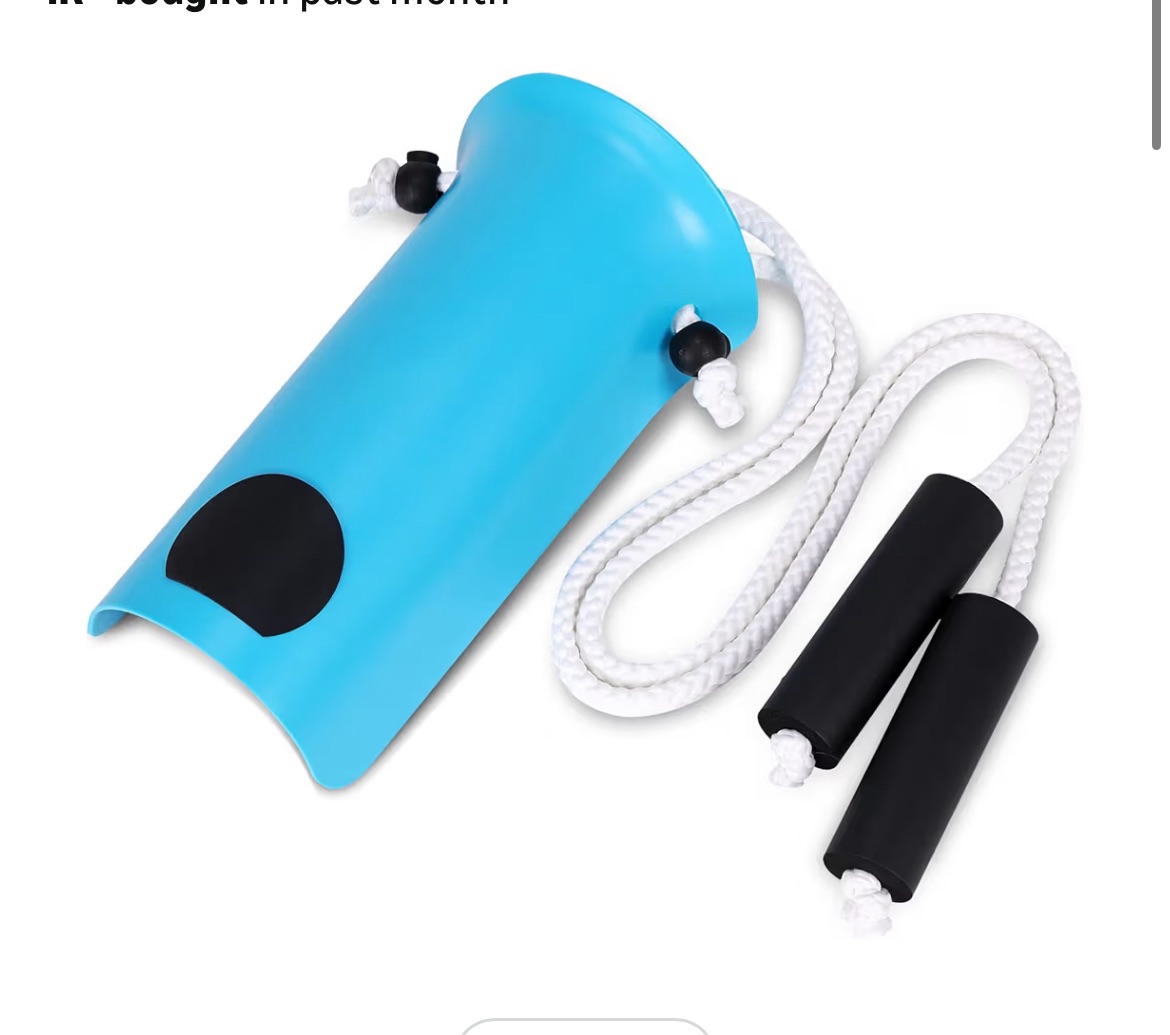
After hospitalization, dressing can become a very difficult task—much more difficult than most people expect.
Many individuals will say, “Oh, I know how to get dressed. I’ve done it my whole life,” but the key difference is that they have not completed this task after a major medical event such as a stroke, open-heart surgery, or spinal surgery.
Limitations like reduced balance, dizziness, pain, weakness, or restricted movement can significantly impact the ability to dress safely and independently.
Some adaptive equipment can be helpful for anyone—you do not need a diagnosis to use it.
If you are having trouble bending over or feel dizzy when reaching down, a reacher can help. If getting to your feet or managing socks and shoes has become difficult, a sock aid or long-handled shoe horn can make the task safer and easier.
Adaptive equipment does not make you disabled.
It helps create independence and promotes quality of life.
Adaptive equipment that can ease the dressing task includes:
Dressing stick
Long-handled shoe horn
Reacher
Button hooks
Sock aid
_______________________________________
-dressing stick
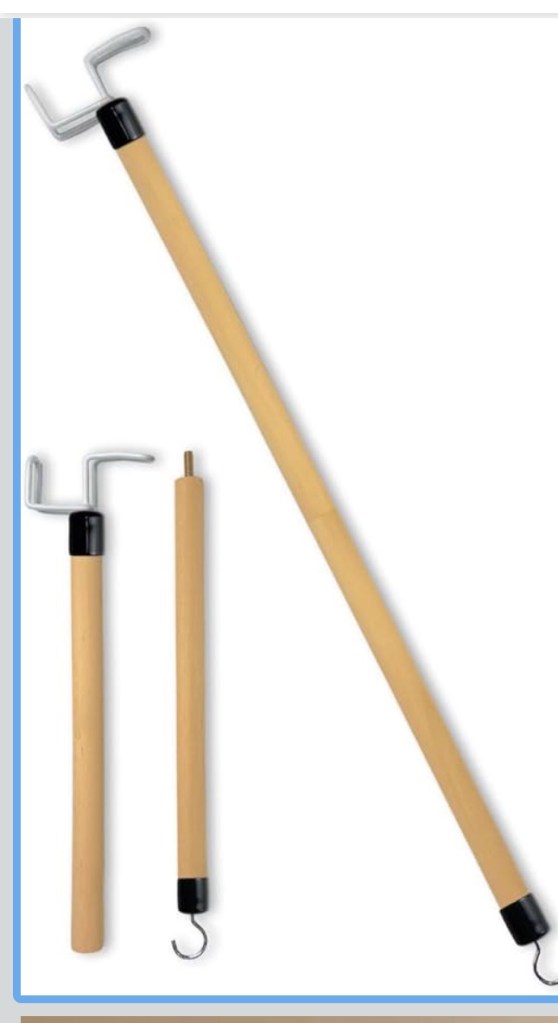
The top piece can help take a jacket off one shoulder, help get your shirt over your head (especially if you had spinal surgery and are not supposed to lift your arms overhead), push socks off.
Check it out: https://amzn.to/4b8NsSg
Long handled shoe horn
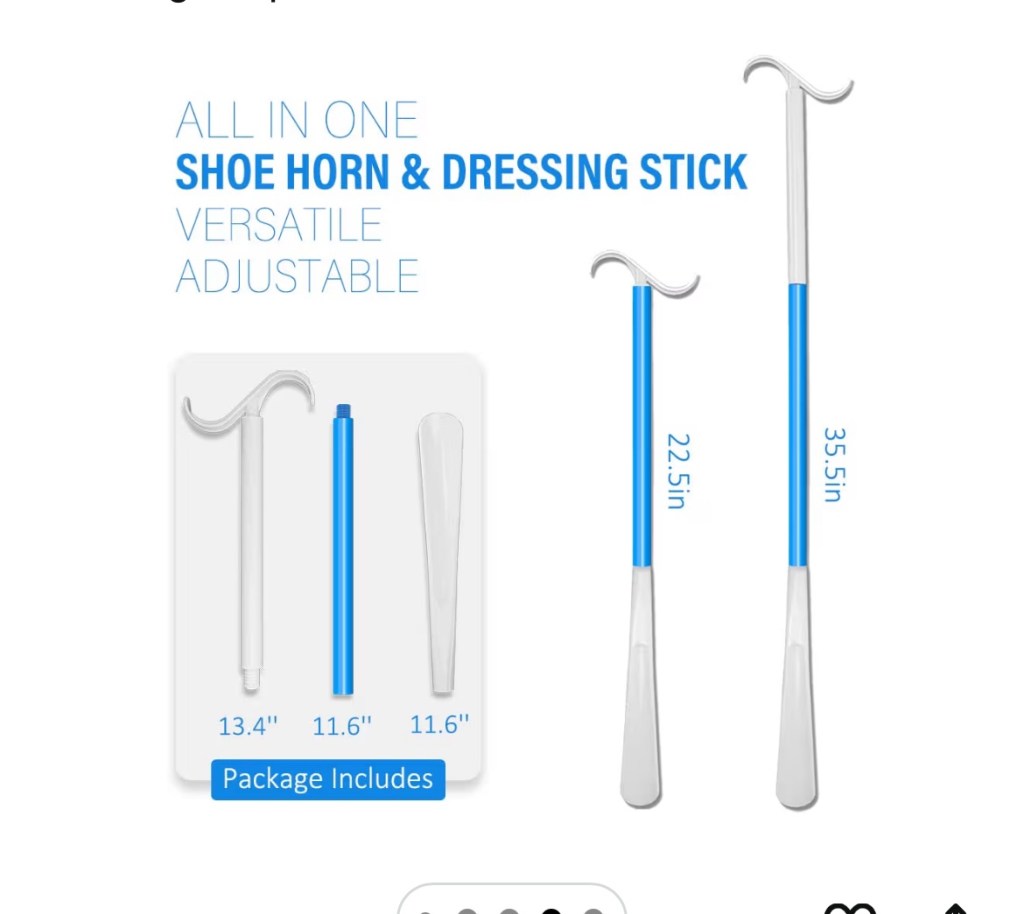
Check it out: https://amzn.to/4pTXdaBhttps://amzn.to/4pTXdaB
Reacher
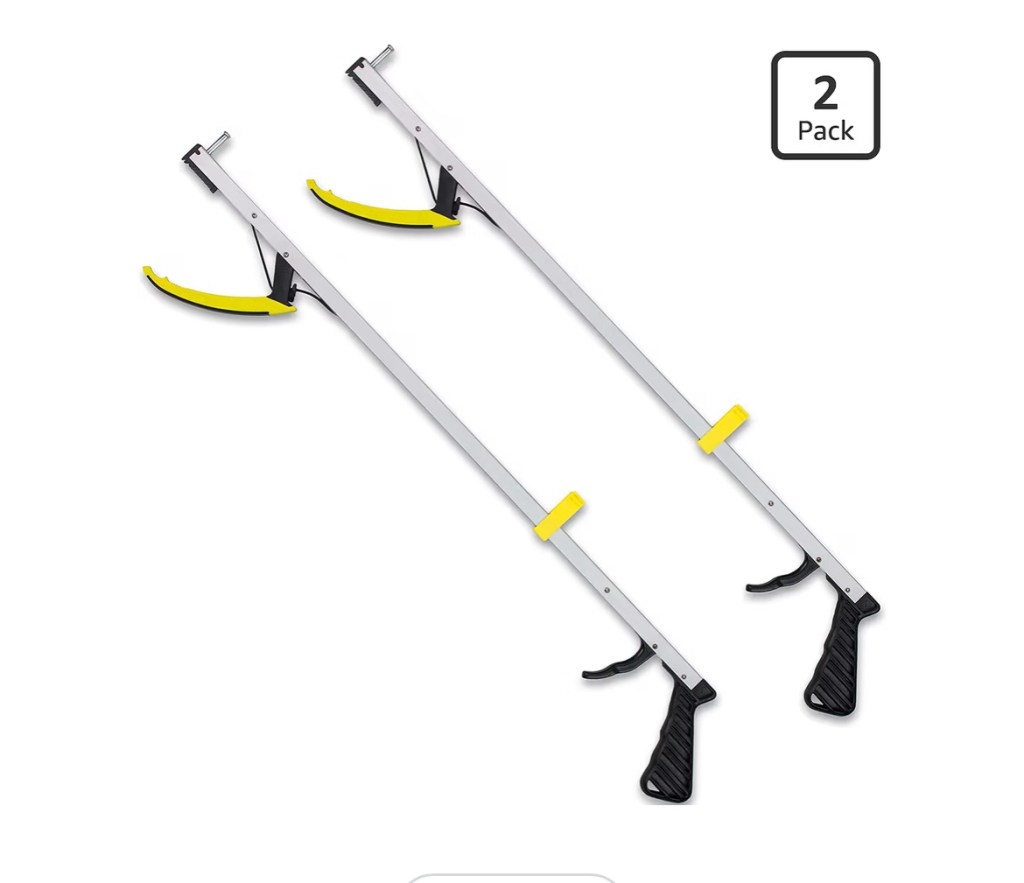
This type of reacher will be difficult for someone that does not have good hand eye coordination and can cause skin tears on frail skin.
Check it out: https://amzn.to/4jXT3NG
-button hooks
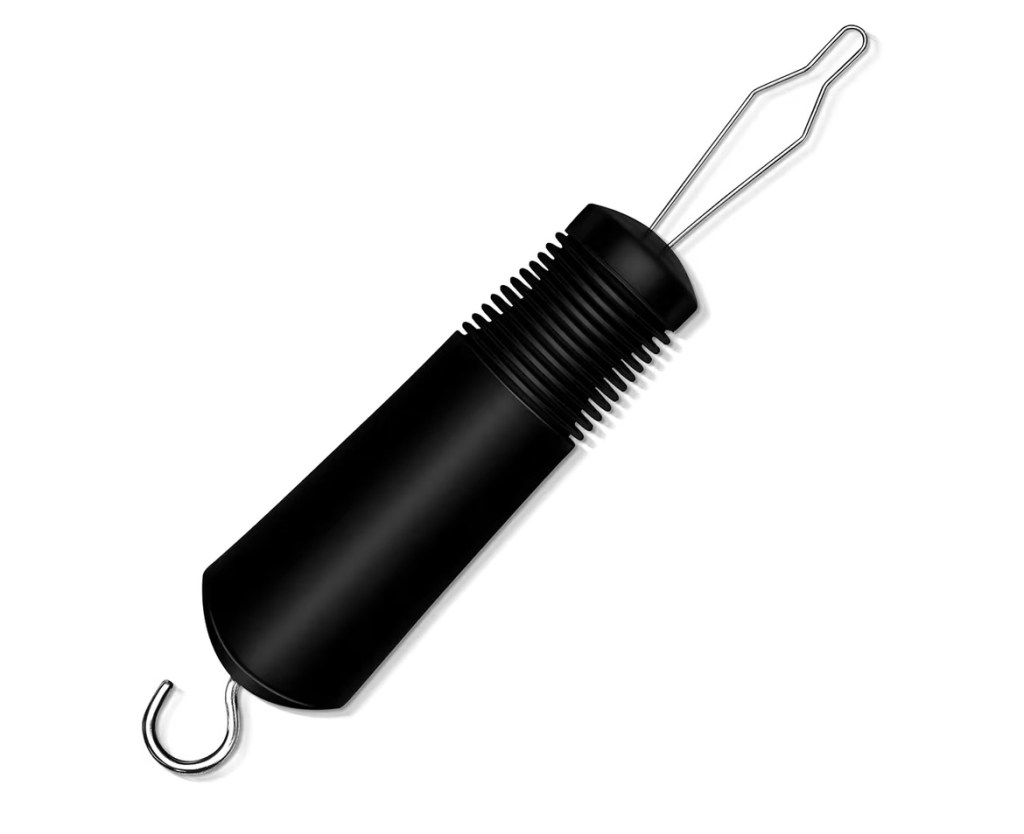
Not for individuals with cognitive deficits
Click here to check it out: https://amzn.to/4pQWneN
Sock Aid
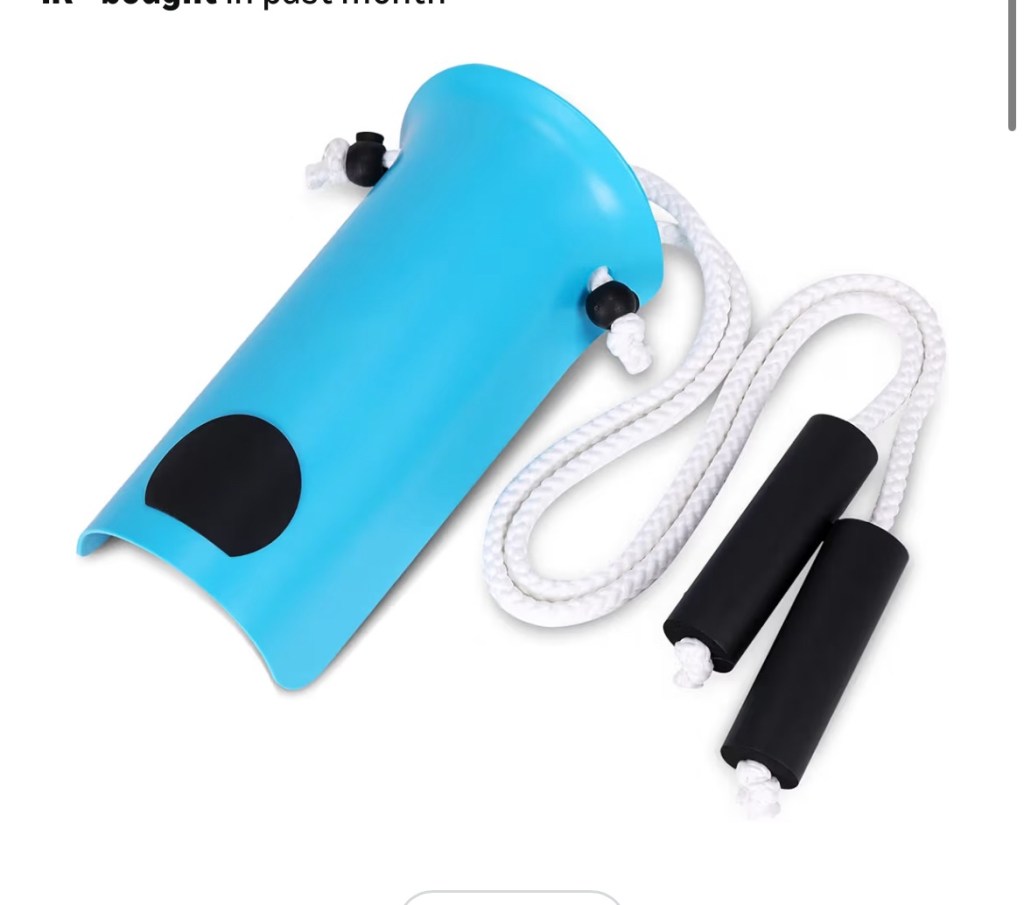
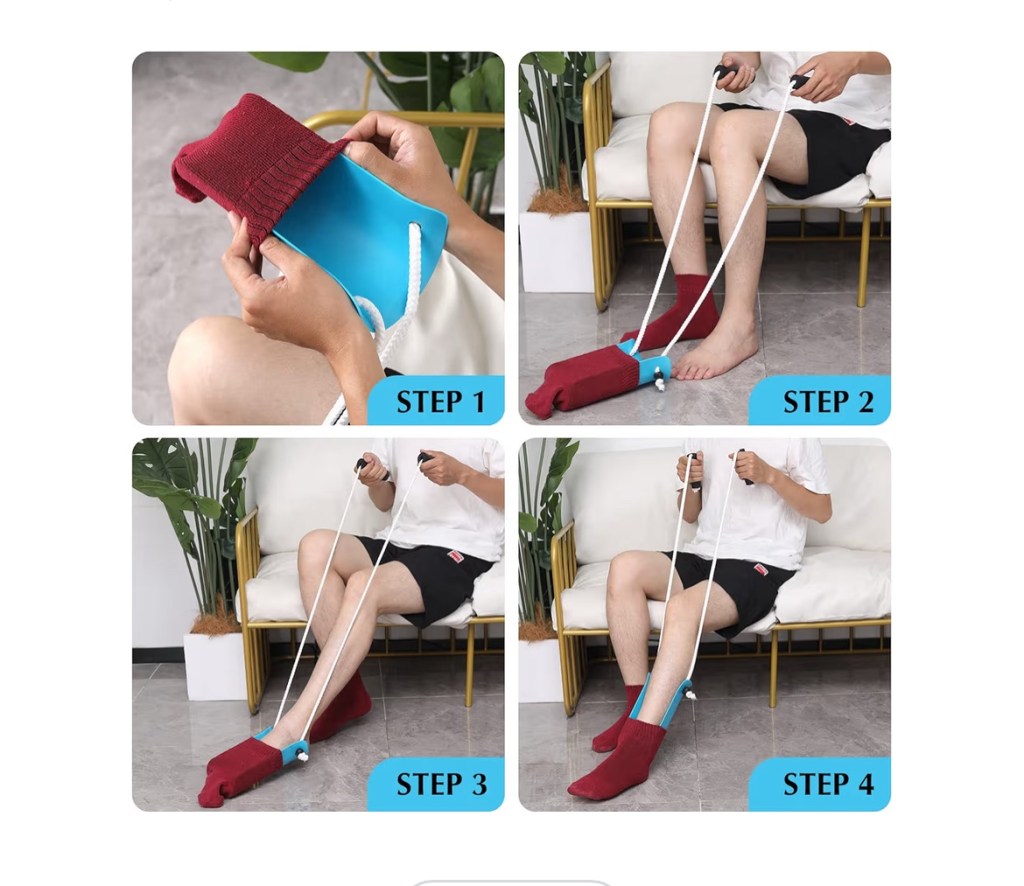
Check it out: https://amzn.to/3ZkodoG
Thank you for reading my blog on adaptive equipment for dressing. Hope it helps someone to maintain their independence or eases caregiver burden.
 SNFOT
SNFOT 