If you’ve ever watched someone struggle with a simple daily task—getting dressed, eating a meal, or standing up safely—you know how quickly frustration can set in. As an occupational therapist, I’m always looking for simple tools that create real change without overwhelming the person or the caregiver.
The good news?
You don’t need expensive or complicated equipment. Small, intentional tools can make daily routines safer, easier, and more independent.
Here are five everyday OT-approved tools I recommend over and over again.
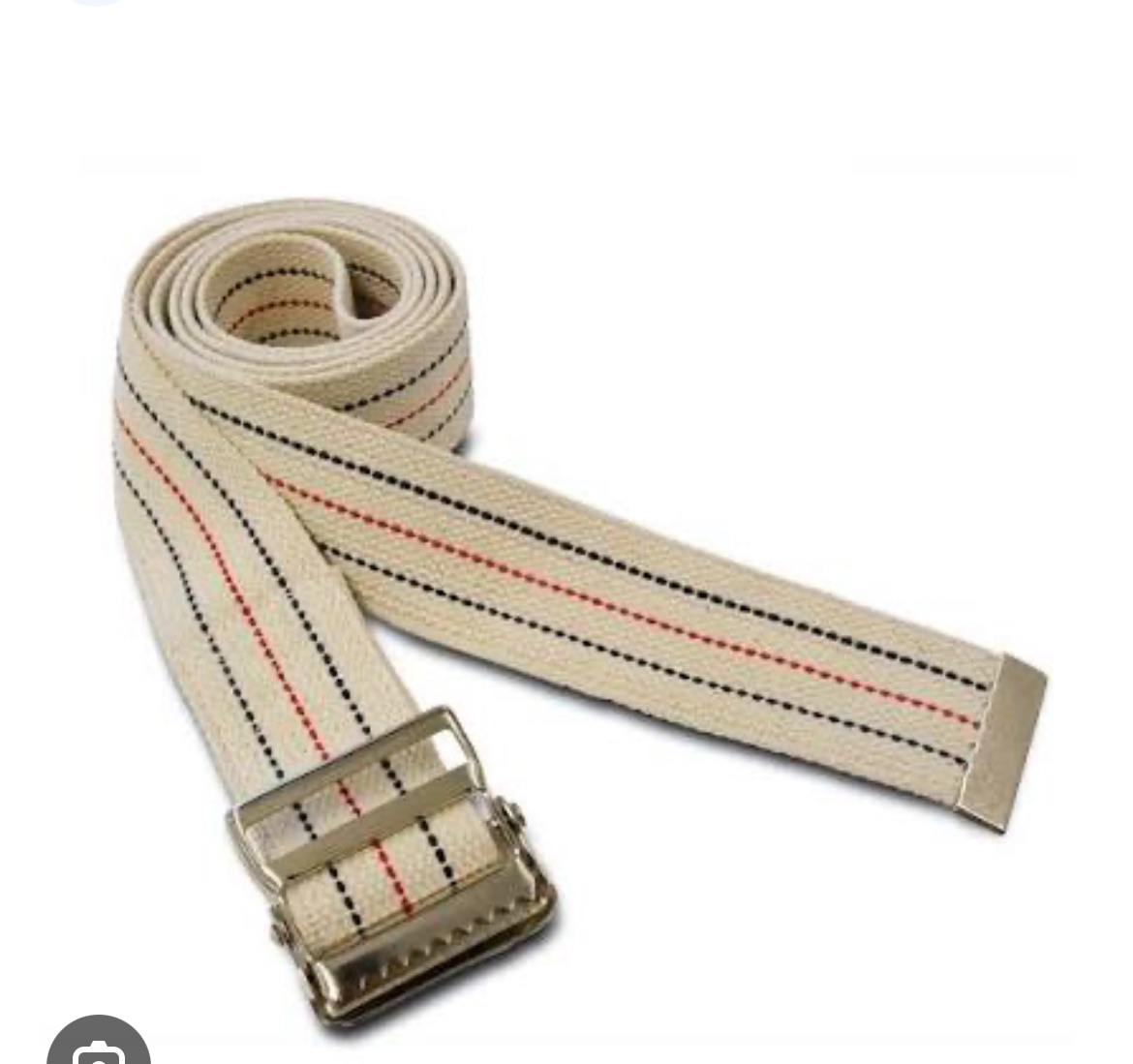
1. Gait Belt for Safe Transfers
A gait belt is one of the most underrated safety tools in the home.
It allows a caregiver to assist with transfers—bed to chair, sit to stand, walking—without pulling on arms or clothing, which reduces injury risk for both people.
Why it matters:
Improves balance control Helps prevent falls Gives caregivers confidence during transfers
This is especially helpful for older adults, post-surgery recovery, or anyone with weakness or balance issues.
2. Built-Up Utensils for Easier Eating
For individuals with arthritis, tremors, weakness, or limited hand control, regular utensils can be exhausting.
Built-up handles reduce the grip strength needed to eat, making meals less tiring and more successful.
OT tip:
Even small improvements in mealtime independence can boost confidence and dignity.
3. Sock Aid for Dressing Independence
Bending over to put on socks is harder than most people realize—especially after surgery or with back, hip, or balance limitations.
A sock aid allows someone to put on socks without bending or straining, making morning routines smoother and safer.
Perfect for:
Hip precautions Limited flexibility Fall-risk individuals
4. Shower Chair for Energy Conservation
Standing in the shower can be exhausting or unsafe for many people.
A shower chair allows individuals to sit while bathing, helping with:
Fatigue management Balance safety Longer, more comfortable showers
OT insight:
Energy conservation is just as important as strength when it comes to daily function.
5. Reacher/Grabber Tool for Daily Access
A reacher might seem simple—but it’s a game changer.
It allows people to safely pick up items from the floor or reach high shelves without bending, stretching, or risking a fall.
This is especially helpful for:
Post-surgical recovery Balance impairments Chronic pain or weakness
Final Thoughts
Occupational therapy is all about making daily life work better—not harder.
These tools don’t replace therapy, but they support independence, safety, and confidence in everyday routines.
If you’re a caregiver, family member, or someone navigating daily tasks after illness or injury, small tools can make a big difference.
Want My Exact Recommendations?
I share the specific tools I trust and use most often here →
 SNFOT
SNFOT 