Hi, I’m an occupational therapist, and one thing I hear from patients all the time is:
“Getting dressed or taking a shower feels like I just ran a mile.”
If that sounds familiar, you’re not alone. After illness, hospitalization, surgery, or with chronic conditions, basic daily tasks can become incredibly fatiguing. The good news? There are simple strategies you can use to conserve energy and make it through the day with less exhaustion.
Here are a few practical, OT-approved tips that really work.
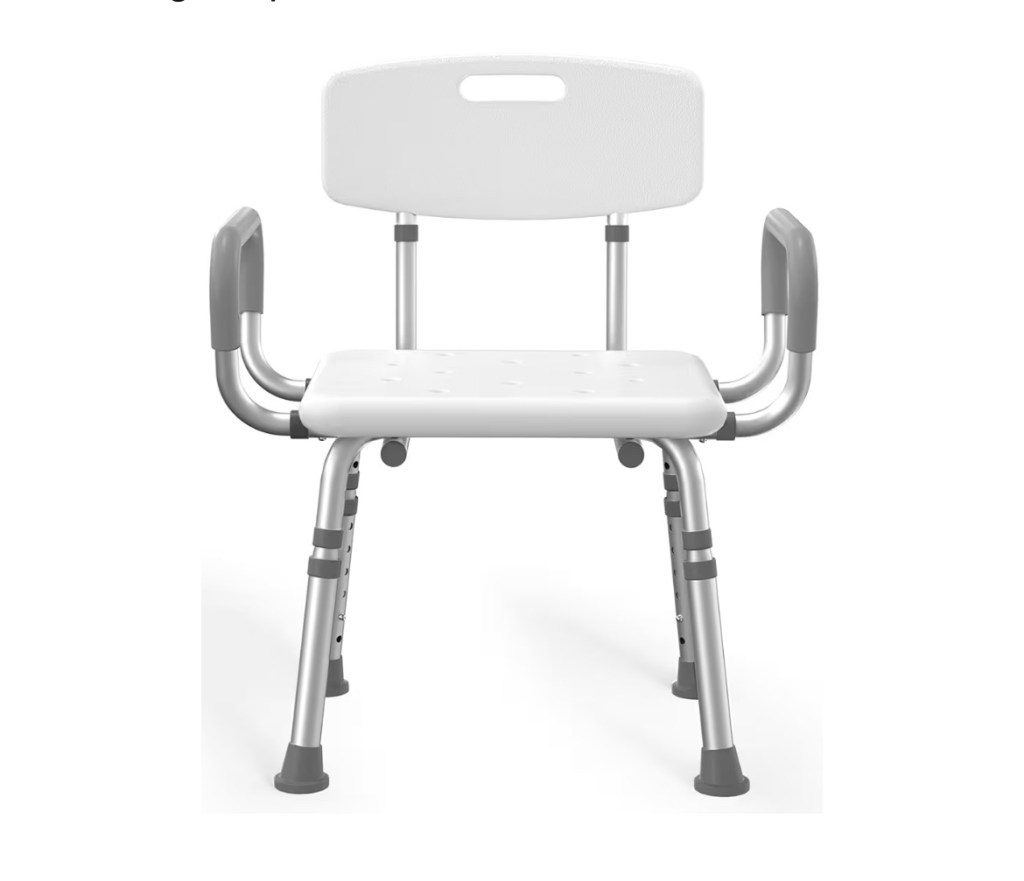
1. Take Seated Showers
No one realizes how tiring showering is until they’ve been sick or hospitalized.
Standing in the shower for even 2–4 minutes can leave you completely wiped out and ready for a nap. Sitting during your shower helps reduce energy use, improves balance, and saves stamina for the rest of your day.
Why it helps:
Less standing = less fatigue Improved safety More energy for other tasks
A shower chair or bench can make a huge difference.
2. Set Out Clothes the Night Before
This one is simple but powerful.
Place your clothes by your bed or in the bathroom the night before. When you wake up, you can get dressed immediately or right after using the bathroom—without extra walking or searching for clothes.
Fewer steps = less energy spent.
When you’re already fatigued, even small tasks add up, so this strategy helps you start your day with more energy.
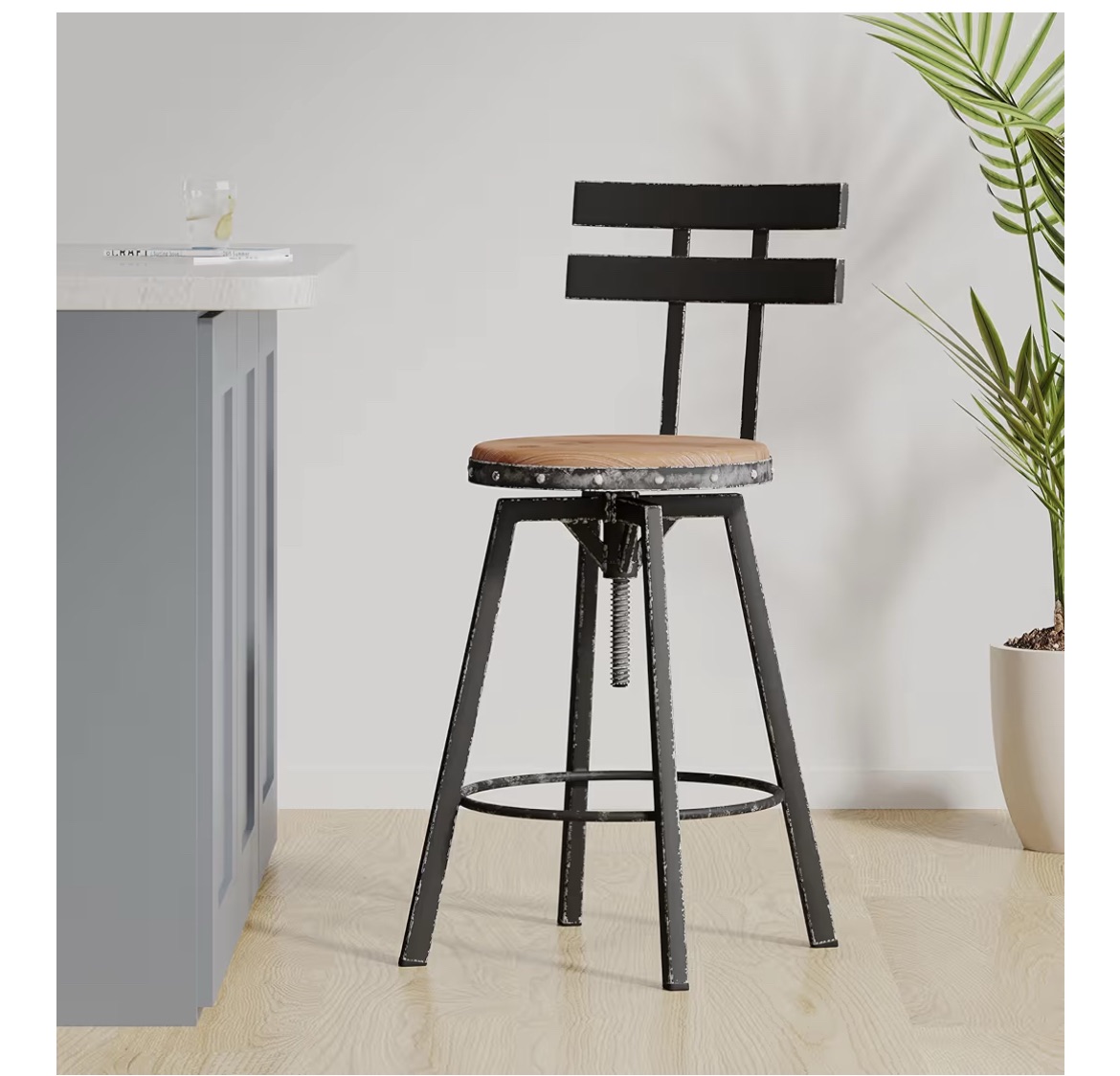
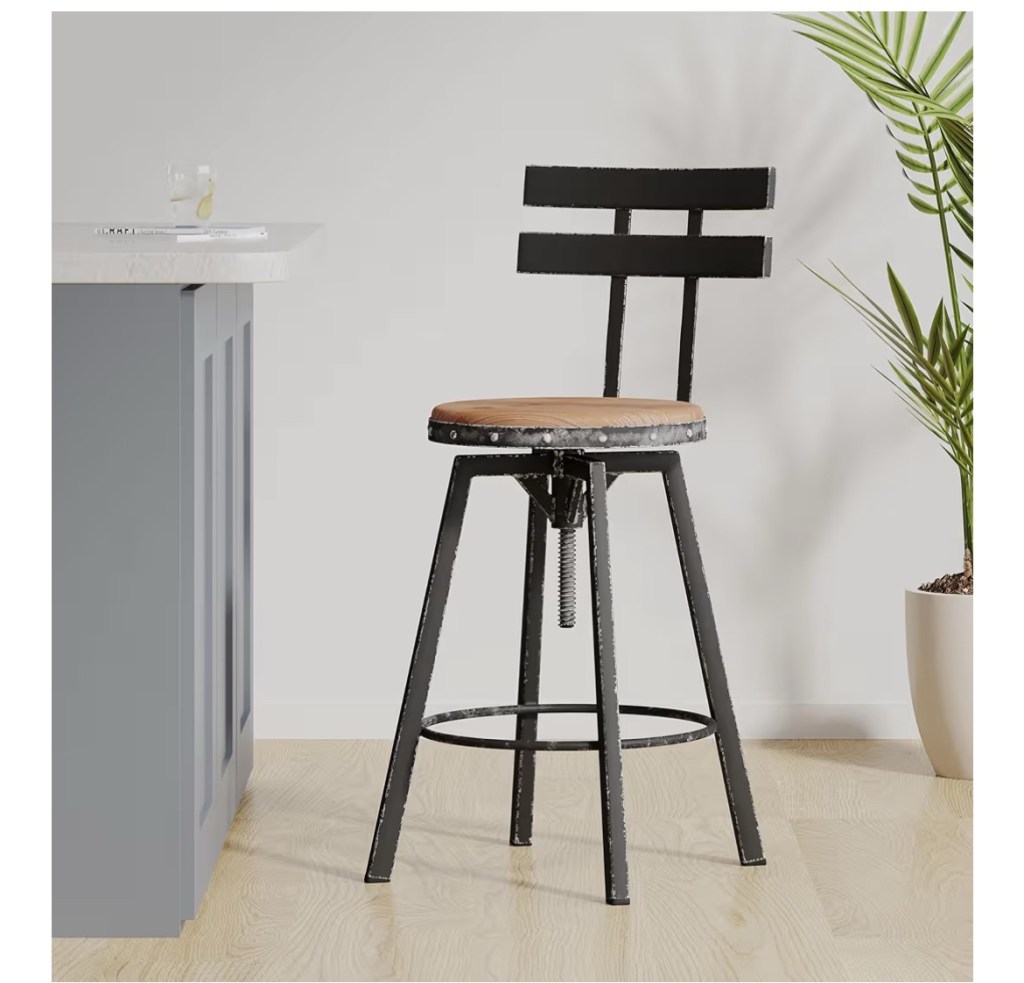
3. Use a Chair at the Kitchen Sink
Washing dishes isn’t exactly anyone’s favorite chore—and standing while doing it can cause fatigue and back pain quickly.
Using a stool or chair at the sink allows you to:
Sit while washing dishes Take seated breaks every few minutes Reduce strain on your back and legs
This is a great energy conservation strategy, especially if you spend a lot of time in the kitchen.
4. Avoid Carrying Heavy Pots
Cooking takes more strength than most people realize—especially when carrying heavy pots filled with water.
Instead of lifting, try this:
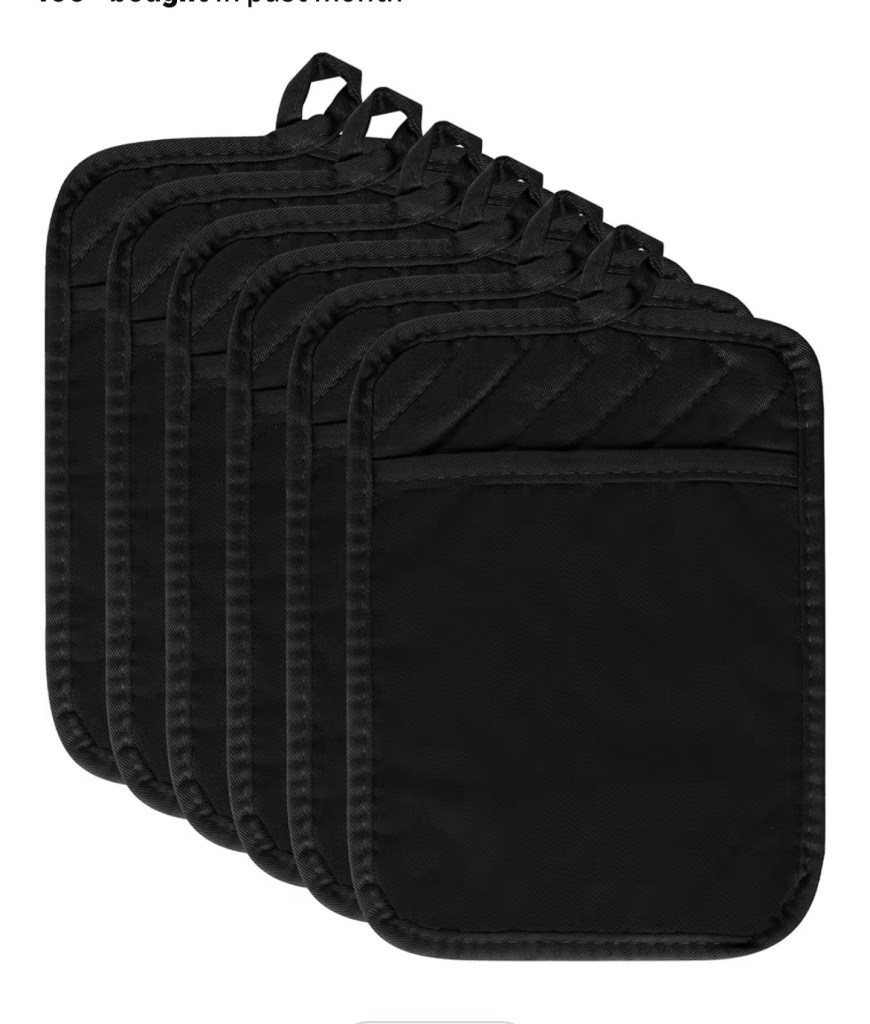
Place the pot on a pot holder by the sink Fill it with water using the faucet Slide it across the counter to the stove
Make sure the pot holder is fully under the pot to protect your countertop and prevent slipping.
This is especially helpful for anyone with lifting restrictions (like no more than 5 pounds) or limited strength.
Final Thoughts
Energy conservation isn’t about being lazy—it’s about being smart with your energy so you can get through your day more comfortably and safely.
Small changes like sitting during tasks, planning ahead, and reducing unnecessary effort can make a big difference in how you feel by the end of the day.
Thanks for reading, and I hope these strategies help you save energy and do more of what matters to you.
 SNFOT
SNFOT 